
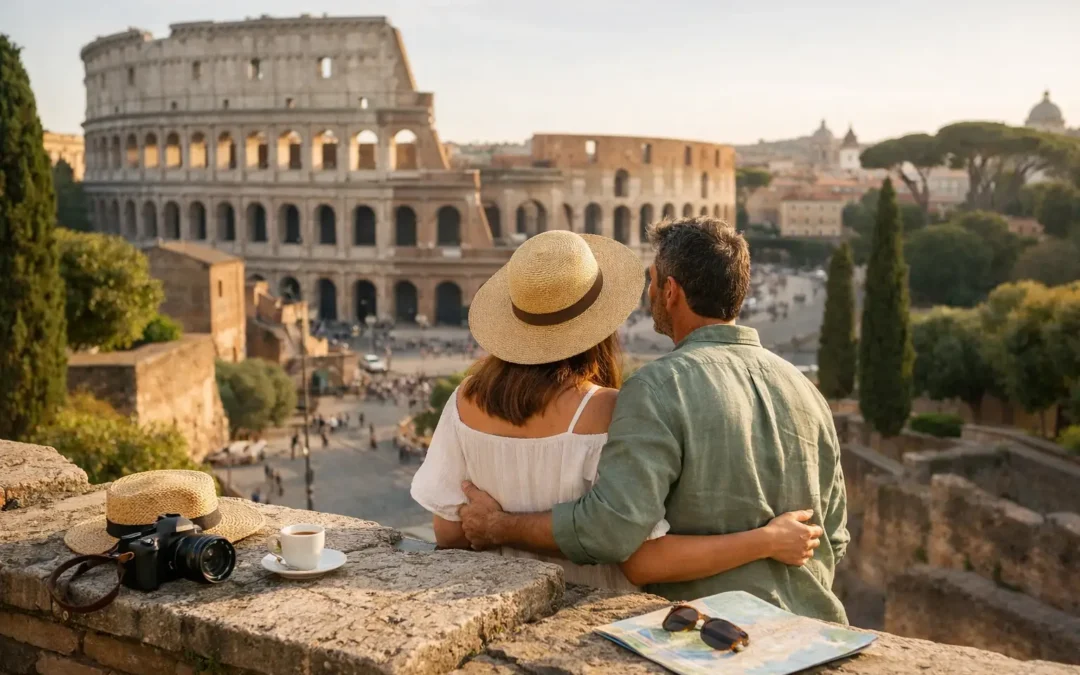
The best Rome slow travel trends are not about doing less because you have run out of ideas. They are about choosing the moments that stay with you: an espresso at the same neighborhood bar two mornings in a row, a long lunch where nobody checks the time, or an evening walk when the city finally feels like it belongs to the people who live here.
Rome has more than enough headline sights to fill a week, but trying to collect them all can make a vacation feel like a race. Slow travel offers a better trade-off for many visitors. You may see fewer monuments in one day, yet you will understand more of the city, eat better, and leave room for the surprises that make Rome unforgettable.
Why Rome Slow Travel Trends Are Growing
Travelers are increasingly choosing experiences over checklists. After years of tightly scheduled trips, many couples, families, and first-time visitors want space to be present rather than spend every hour moving between reservations. Rome suits this shift beautifully because its character is found as much between the famous places as at the famous places.
The city rewards wandering, but slow travel does not mean arriving without a plan. It means building a plan with breathing room. A private guide can help you see the Colosseum or Vatican Museums with real context, then leave the afternoon open for a local lunch, shopping, a nap, or a stroll through a neighborhood that catches your attention.
This approach is especially helpful for travelers who have limited time. A three-day stay can feel richer when each day has a clear rhythm instead of six major stops. You avoid the tired, rushed feeling that turns even beautiful places into a blur.
Stay in One Area Long Enough to Notice It
Rather than crossing the city several times a day, choose one or two areas to experience properly. Spend a morning around the historic center, then let the afternoon unfold nearby. Visit a market, stop for gelato, peek into a small church, or sit in a piazza and watch daily life pass by.
Trastevere remains popular for good reason, with its lively lanes and evening energy. Monti offers a more relaxed village feel near ancient landmarks, while Prati can be a pleasant base for travelers who want calmer streets near the Vatican. Testaccio is a wonderful choice for visitors who are serious about food and curious about a more everyday side of Rome.
There is no single best neighborhood. Families may prefer easy logistics and shorter walks. Couples may want atmospheric evenings close to their hotel. Food lovers might happily travel farther for a memorable meal. The key is not to treat every district as a box to check. Pick a place, return at a different hour, and notice how it changes.
Let One Big Sight Set the Pace
A slow day can still include an essential landmark. The difference is what you ask of the rest of the day. If you visit the Vatican Museums in the morning, do not force the Colosseum, Trevi Fountain, Pantheon, and a food tour into the same schedule.
Instead, choose one anchor experience and build naturally around it. After the Vatican, linger in Prati for lunch and explore the quieter streets. After the Colosseum and Roman Forum, walk toward Celio or Monti for a relaxed aperitivo. You will spend less time in traffic and more time enjoying the city in front of you.
Make Food a Part of the Day, Not a Pit Stop
One of the clearest Rome slow travel trends is the return to long, intentional meals. Rome is not a city where eating should happen only when you need fuel between attractions. Food tells you where you are, what is in season, and how Romans gather.
Start simply. Stand at the counter for a cappuccino and cornetto in the morning. Pause for pizza al taglio when you want something casual. Then reserve time for a seated lunch or dinner where you can settle in and enjoy a few courses without watching the clock.
A food-focused experience can be particularly valuable early in a trip. It gives you confidence with Roman specialties, market ingredients, ordering customs, and the neighborhoods where locals actually eat. You do not need to chase every viral address. A good meal in the right company, with a little time to enjoy it, will almost always beat a rushed table at the most photographed restaurant in town.
Follow the Season
Slow travel and seasonal eating belong together. In spring, artichokes are a Roman favorite. Summer calls for lighter meals, cool drinks, and later dinners. Fall brings deeper flavors, mushrooms, and countryside escapes, while winter is ideal for hearty pasta and long lunches.
Ask what is good now rather than ordering only the dish you saw online. That small question often leads to the most satisfying meal of the trip.
Trade Lines for Local Stories
Slow travel is not anti-sightseeing. Rome’s masterpieces deserve attention. But an itinerary becomes more personal when it includes places with a human story behind them: an artisan workshop, a family-run food shop, a tucked-away church, or a neighborhood street that a guide knows well.
This is where a customized experience can make a real difference. Instead of following a standard route, you can shape the day around what interests you most. Art lovers may want lesser-known frescoes and sculpture. Families may prefer stories that bring ancient Rome to life for children. A couple might choose a sunset walk, a wine tasting, or a leisurely evening focused on food.
At RomeTour24, we love helping guests create that kind of day. Tell us what you enjoy, how quickly you like to move, and what you have already seen. A local plan can be as structured or spontaneous as you need it to be.
Give Yourself a Rome-Free Afternoon
It sounds strange, but one of the smartest ways to enjoy Rome is to schedule time when you have nothing planned. Return to your hotel, enjoy a rooftop drink, read in a garden, or simply sit in a café. This is not wasted vacation time. It is what makes the rest of the trip feel spacious.
For families, an unplanned break can prevent the late-afternoon meltdown that no ancient monument can fix. For couples, it creates room to follow a recommendation or change direction. For solo travelers, it is a chance to absorb the city without constantly navigating.
If you are visiting during peak season, these pauses are also practical. Major attractions are often busiest from late morning through early afternoon. Starting early, resting during the hottest or most crowded hours, and heading out again in the evening can make a huge difference.
Look Beyond the City Center When You Have Time
Slow travel can extend beyond Rome without requiring an overpacked day trip. The countryside around the city offers a completely different pace: olive groves, vineyards, small towns, open views, and seasonal food traditions.
A truffle hunt, horse trekking experience, or countryside lunch can be a wonderful addition after several days among cobblestones and crowds. It is not the right choice for every short itinerary, especially if this is your only full day in Rome. But for visitors staying four nights or more, it can add contrast and create one of those stories you will still be telling at home.
Plan Less Rigidly, Travel More Confidently
The goal is not to leave everything to chance. Popular sites still require advance planning, and Rome is easier when someone helps you make smart choices about timing and location. The sweet spot is a thoughtful framework with room for real life.
Choose your must-sees, protect your meal times, and leave space between major experiences. Keep one evening free for a recommendation you receive that day. If a piazza feels especially lovely, stay. If the kids are tired, change the plan. If a local suggests a nearby trattoria, follow the lead.
Rome has been here for nearly three thousand years. It does not need to be rushed. Give the city a little more time, and it will give you far more than photographs to take home. See you in Rome.