
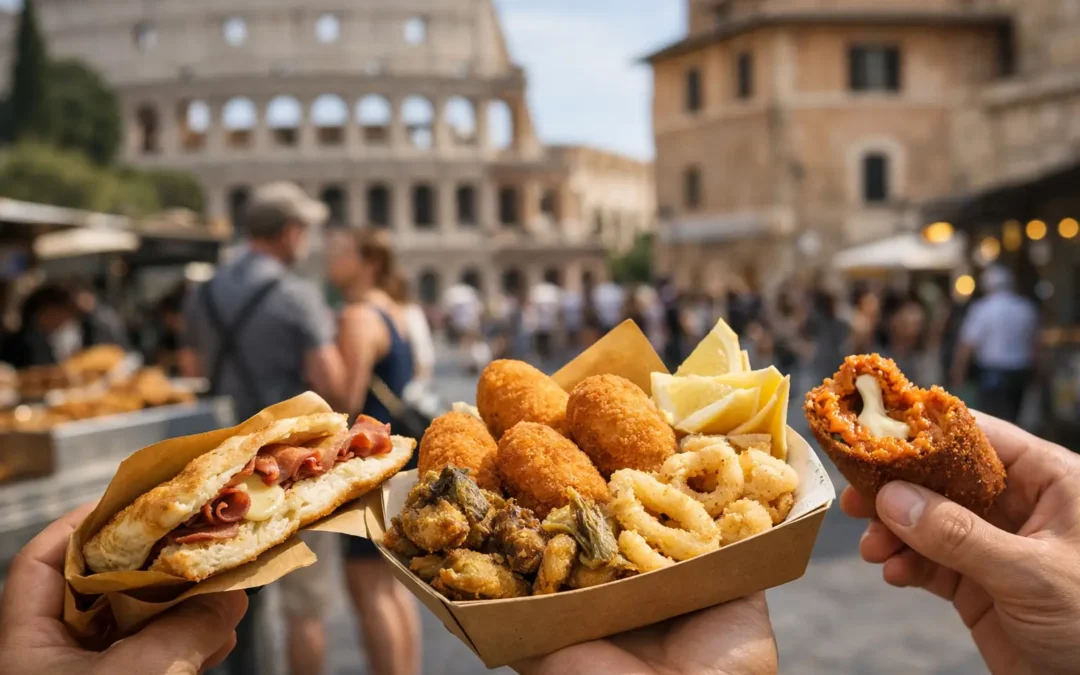
At 12:45 p.m., when you are hungry, jet-lagged, and staring at a menu that reads like a foreign language, Rome can feel less romantic than expected. A good Rome street food tour review should answer the question travelers actually have: will this experience help you eat better, understand the city, and avoid wasting a precious afternoon? For many visitors, the answer is yes – provided the tour suits your pace, appetite, and idea of a memorable day in Rome.
What a Rome Street Food Tour Is Really Like
A street food tour is not simply a series of snacks handed to you between photo stops. At its best, it is a relaxed walk through a neighborhood with a local guide who knows where Romans return for a hot supplì, a crisp slice of pizza al taglio, or a sweet finish that is more than a tourist-window display.
Most experiences run for a few hours and include several tastings. You may start with coffee or a small savory bite, then move through pizza, fried specialties, cured meats, cheese, pasta, a sandwich, dessert, or a regional drink. The exact order matters less than the rhythm: eat a little, walk a little, hear the story behind a food, and arrive at the next stop ready for one more taste.
Rome is a city of neighborhoods, so the setting changes the experience. Around Campo de’ Fiori or the Jewish Ghetto, a tour can weave food into centuries of market life, Roman-Jewish cooking, and historic streets. In Trastevere, the mood is livelier and more bohemian. Testaccio often appeals to travelers who want a more local food identity and a deeper look at traditional Roman flavors. None is automatically the best choice. It depends on where you are staying, what you have already seen, and whether you prefer landmarks, atmosphere, or neighborhood character.
Expect real food, not a formal meal
Come hungry, but do not expect one long sit-down lunch. Street food is built around variety and movement. You might taste enough to feel full, especially on a generous tour, but the purpose is discovery rather than a white-tablecloth dining experience.
That distinction is worth making before you book. If your dream afternoon is a slow, seated meal with a full plate of cacio e pepe and a bottle of wine, choose a food-focused lunch instead. If you want to taste several Roman classics without researching each address yourself, street food is the stronger fit.
Rome Street Food Tour Review: What Makes It Worth It?
The value is not in the number of bites alone. You could buy pizza and gelato on your own for less money, and adventurous travelers with plenty of time may enjoy doing exactly that. What you are paying for is judgment: a route that makes sense, shops selected for quality, context you would not get from a sign outside the door, and the confidence to order without second-guessing every choice.
A thoughtful guide makes simple foods more interesting. Supplì, for example, is a fried rice croquette, but its story is tied to Roman appetite, kitchen practicality, and the pleasure of eating something hot and inexpensive on the go. Pizza al taglio is not just pizza by the slice. It is often sold by weight, and learning how to choose, point, and order it is a small but useful skill for the rest of your trip.
The best tours also leave room for conversation. Ask why a bakery uses a certain flour, what makes pecorino different from parmesan, or where locals go for a quick breakfast. A guide who welcomes those questions turns a tasting into a personal introduction to the city.
There is one trade-off. Group tours can move at a fixed speed. If one guest needs extra time at every stop or another is eager to keep walking, the rhythm may not work for everyone. Private or customized experiences cost more, but they are especially worthwhile for families, travelers with dietary needs, couples celebrating something special, or anyone who wants to combine food with art, history, or a favorite neighborhood.
The Details That Separate a Good Tour From a Generic One
A memorable food walk should feel generous without being rushed. You want enough food to understand the range of Roman flavors, but not so many stops that every tasting becomes a blur. You also want a guide who can read the group. A family with young children may need a shorter route and earlier start. A pair of serious food lovers may prefer less time on broad history and more time discussing ingredients, traditions, and what to order next.
Dietary communication is another marker of quality. Vegetarian travelers can often enjoy pizza, cheese, vegetables, pasta, and sweets, but the guide should be clear about substitutions rather than promise the impossible. Vegan, gluten-free, and severe allergy requirements need advance planning. Traditional Roman street food includes wheat, dairy, eggs, pork, and fried items, and small kitchens may not be able to guarantee against cross-contact.
A strong tour is also honest about crowds. Rome gets busy. A popular bakery may have a line, and a market can be noisy. That energy can be part of the fun, but it is not ideal for everyone. Morning or early evening tours are often more comfortable in warmer months, while an afternoon experience can be perfect when the weather is cooler and you want to build dinner around lighter plans.
Who Will Enjoy It Most?
First-time visitors get a fast, friendly orientation. You will learn the geography of a neighborhood while gaining a list of food ideas for the days ahead. It is a practical way to break through the uncertainty of arriving in a new city, especially if your Italian is limited and your time is short.
Couples often enjoy the easygoing, social side of a tasting walk. There is no pressure to choose one restaurant or commit to a long meal. Families can have a wonderful time too, particularly when the route includes familiar favorites such as pizza and gelato. Just be realistic about walking distance, nap schedules, and whether your children enjoy trying new foods.
Repeat visitors may get the most from a tour that moves beyond the obvious central stops. This is where customization matters. If you have already checked off the Colosseum, Vatican Museums, and Trevi Fountain, a neighborhood food walk can show you another side of Rome – one built around daily rituals rather than headline sights.
How to Choose the Right Food Experience
Before booking, ask a few direct questions. They can save you from choosing an experience that looks great in photos but does not match your trip.
- Which neighborhood does the tour cover, and where does it end?
- How much walking is involved, including stairs or uneven streets?
- Are drinks included, and is there enough food to replace a meal?
- Can the route accommodate your dietary needs safely and clearly?
- Is the group small, private, or open to a larger mix of travelers?
Also consider what you want the guide to do beyond serving food. Some tours are quick and fun introductions. Others blend in architecture, local history, family stories, market culture, and practical recommendations. Neither approach is wrong, but they deliver different kinds of afternoons.
If your schedule is tight, choose a route near another activity rather than spending an hour crossing the city before and after. If you are planning a special day, ask whether the experience can be shaped around your interests. A food tour before an evening walk, a stop for a favorite dessert, or a route that starts close to your hotel can make the day feel much easier.
Make Your Rome Food Tour Feel Personal
Rome should not feel like a checklist you have to finish before dinner. The right street food experience gives you a break from maps and reservations while putting you in front of the city at its most immediate: a hot paper-wrapped snack, a busy counter, a local story, and a guide who knows how to make it all feel welcoming.
For travelers who want that flexibility, RomeTour24 can help shape a food-focused walk around your timing, neighborhood, interests, and travel companions. A private experience is especially helpful when you want to slow down, ask more questions, include children, or pair tastings with the places you are already excited to see.
Come curious, wear comfortable shoes, and leave a little space in your plans afterward. The best food tour does not end when the last gelato is gone. It leaves you confident enough to step into the next bakery, point to something unfamiliar, and say yes to Rome one more time.